

Understanding Bad Credit Payday Loans in Nebraska
Definition and Purpose of Payday Loans
Payday loans are short-term, high-interest loans designed to provide immediate financial relief to borrowers facing urgent cash needs. Typically, these loans are intended to cover expenses until the borrower’s next paycheck, hence the name. Key characteristics include:
- Small loan amounts: Usually ranging from $100 to $1,000.
- Short repayment terms: Generally due within two to four weeks.
- Quick access to funds: Often disbursed within one business day.
While payday loans can be a lifeline in emergencies, they come with significant costs, making them a last-resort option for many borrowers.
How Bad Credit Affects Loan Eligibility
Traditional lenders, such as banks and credit unions, often rely heavily on credit scores to determine loan eligibility. However, payday lenders typically have more lenient requirements, making these loans accessible to individuals with bad credit or no credit history. Factors to consider include:
- Minimal credit checks: Many payday lenders focus on income and employment verification rather than credit scores.
- Higher interest rates: Borrowers with poor credit may face steeper fees and APRs to offset the lender’s risk.
- Rollover risks: Failure to repay on time can lead to additional fees, exacerbating financial strain.
Despite the accessibility, borrowers should carefully assess their ability to repay to avoid falling into a cycle of debt.
Nebraska State Regulations on Payday Lending
Nebraska imposes specific regulations on payday lending to protect consumers. Key provisions include:
| Regulation | Details |
|---|---|
| Maximum Loan Amount | $500 per loan |
| Loan Term | Minimum of 34 days; maximum of 42 days |
| Finance Charges | Up to $15 per $100 borrowed (15% fee) |
| Rollovers | Prohibited; lenders cannot extend or renew a loan |
These regulations aim to curb predatory lending practices while still providing access to short-term credit for Nebraska residents.
Eligibility Criteria for Payday Loans in Nebraska
Basic Requirements for Applicants
To qualify for a payday loan in Nebraska, applicants must meet several fundamental criteria. These include:
- Being at least 18 years of age or older.
- Possessing a valid government-issued ID (e.g., driver’s license or state ID).
- Providing proof of an active checking account in good standing.
- Having a verifiable Nebraska residential address.
- Providing a working phone number and email address for communication.
Income and Employment Verification
Lenders require proof of a stable income source to ensure repayment capability. Key verification details include:
- A minimum monthly income (varies by lender but typically starts at $1,000).
- Recent pay stubs, bank statements, or direct deposit records as proof of income.
- For self-employed borrowers, tax returns or 1099 forms may be required.
- Some lenders may request employment verification via employer contact.
Credit Check Policies for Bad Credit Borrowers
Payday loans in Nebraska are often accessible to individuals with poor credit. Key aspects include:
- Most lenders perform a soft credit check, which does not impact credit scores.
- Bad credit is generally not a disqualifying factor, as approval relies more on income and repayment ability.
- Some lenders may report repayment behavior to credit bureaus, potentially helping rebuild credit if payments are made on time.
How to Apply for a Bad Credit Payday Loan in Nebraska
Step-by-Step Application Process
Applying for a bad credit payday loan in Nebraska is a straightforward process. Follow these steps to ensure a smooth application:
- Research Lenders: Start by identifying reputable lenders in Nebraska that offer payday loans to individuals with bad credit.
- Check Eligibility: Verify the lender’s eligibility criteria, including minimum age, income requirements, and state residency.
- Fill Out the Application: Complete the application form with accurate personal and financial information.
- Submit Documentation: Provide the necessary documents to support your application (see below for details).
- Review Loan Terms: Carefully read the loan agreement, including interest rates, fees, and repayment terms.
- Sign and Confirm: Sign the agreement and confirm your application.
- Receive Funds: Upon approval, the funds will typically be deposited into your bank account within one business day.
Required Documentation
To apply for a bad credit payday loan in Nebraska, you will need to provide the following documents:
- Proof of Identity: A valid government-issued ID, such as a driver’s license or passport.
- Proof of Income: Recent pay stubs, bank statements, or other documentation showing your income source.
- Proof of Residency: A utility bill, lease agreement, or other documents confirming your Nebraska address.
- Bank Account Information: Details of an active checking account for fund disbursement and repayment.
Online vs. In-Person Application Options
Nebraska residents have the flexibility to apply for payday loans either online or in person. Here’s a comparison of both options:
| Option | Pros | Cons |
|---|---|---|
| Online Application |
|
|
| In-Person Application |
|
|
Pros and Cons of Payday Loans for Bad Credit
Advantages of Quick Cash Access
Payday loans for bad credit offer immediate financial relief, making them a viable option for individuals in urgent need of funds. These loans are typically easier to obtain than traditional loans, as they often do not require a credit check or extensive documentation. This makes them particularly appealing to those with a low credit score or limited access to other forms of credit.
- Speed: Funds are often available within 24 hours, making them ideal for emergency situations.
- Convenience: Application processes are usually straightforward and can be completed online.
- Accessibility: Even individuals with poor credit histories may qualify.
Risks of High Interest and Fees
While payday loans provide quick access to cash, they come with significant financial drawbacks. The high interest rates and fees associated with these loans can lead to a cycle of debt that is difficult to escape. Borrowers often find themselves in a precarious financial situation as they struggle to repay the loan along with the added costs.
- High APRs: Annual Percentage Rates (APRs) can exceed 400%, making these loans extremely expensive.
- Short Repayment Terms: Loans are typically due on the borrower’s next payday, leaving little time to gather the necessary funds.
- Rollover Fees: If the loan is not repaid on time, additional fees and interest may be accrued.
Impact on Credit Score and Financial Health
Payday loans can have both positive and negative effects on a borrower’s credit score and overall financial health. While timely repayment of a payday loan may improve a credit score, defaulting on the loan can have severe consequences.
- Positive Impact: Successful repayment may be reported to credit bureaus, potentially improving the borrower’s credit score.
- Negative Impact: Defaulting on the loan can lead to a significant drop in credit score and may result in legal action or wage garnishment.
- Long-Term Consequences: Continuous reliance on payday loans can lead to a cycle of debt, further deteriorating financial stability.
“Payday loans can be a double-edged sword: they offer quick cash but can trap borrowers in a cycle of debt that is hard to break free from.”
Alternatives to Payday Loans in Nebraska
Credit Union Small-Dollar Loans
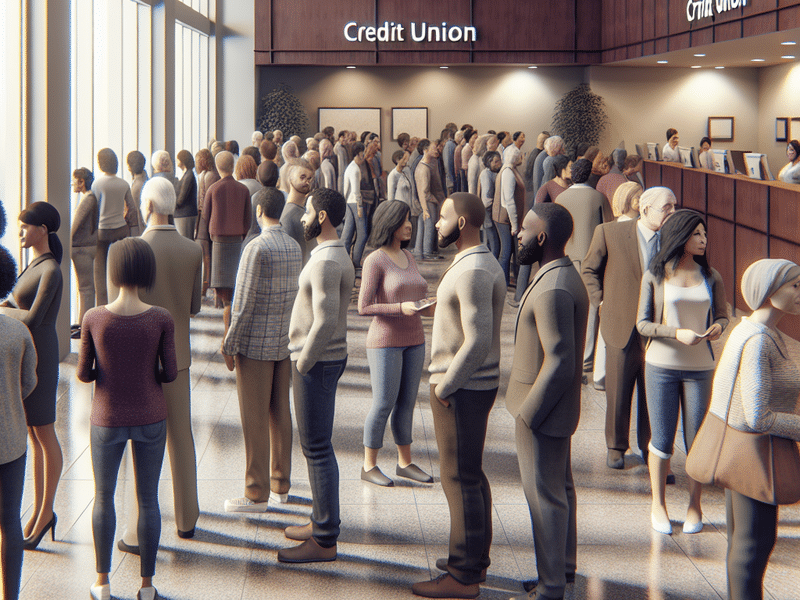
Credit unions in Nebraska offer small-dollar loans as a viable alternative to payday loans. These loans are designed to provide short-term financial relief without the exorbitant interest rates commonly associated with payday lending. Members of credit unions often benefit from lower fees and more flexible repayment terms, making this option a more sustainable solution for managing unexpected expenses.
Personal Installment Loans
Personal installment loans are another practical alternative. These loans allow borrowers to repay the borrowed amount over a set period in fixed monthly installments. Unlike payday loans, installment loans typically come with lower interest rates and longer repayment terms, reducing the financial strain on borrowers. Many lenders in Nebraska offer these loans to individuals with varying credit scores, making them accessible to a broader audience.
Community Assistance Programs
For those seeking financial support without resorting to loans, Nebraska’s community assistance programs can be a lifeline. These programs, often run by non-profit organizations or local government agencies, provide resources such as emergency cash assistance, utility bill support, and food aid. While not a loan, these services can alleviate immediate financial pressures and help individuals avoid high-cost borrowing options.
Responsible Borrowing Tips for Bad Credit Loans
Assessing Your Repayment Ability
Before committing to a bad credit loan, it is crucial to evaluate your financial capacity to repay the debt. Failure to do so may lead to further credit damage or financial strain. Consider the following:
- Calculate your debt-to-income ratio (DTI): Ensure your monthly loan payments do not exceed 30-40% of your gross income.
- Account for essential expenses: Prioritize necessities such as housing, utilities, and groceries before allocating funds for loan repayment.
- Review your credit report: Identify any discrepancies or outstanding debts that may affect your ability to repay.
Avoiding Loan Rollovers and Debt Traps
Rolling over a loan—extending the due date by paying additional fees—can lead to a dangerous cycle of debt. This practice often results in borrowers paying far more than the original loan amount. To prevent this:
- Understand the terms: Be fully aware of rollover fees, interest rates, and penalties before signing the agreement.
- Seek alternatives: If repayment becomes difficult, explore options such as payment plans or financial counseling instead of rolling over the loan.
- Set a repayment deadline: Establish a clear timeline to avoid prolonged dependency on high-interest loans.
Budgeting Strategies for Repayment
Effective budgeting is key to managing loan repayment without compromising financial stability. Implement these strategies to stay on track:
- Prioritize high-interest debts: Allocate extra funds to loans with the highest interest rates to minimize long-term costs.
- Use the 50/30/20 rule: Dedicate 50% of income to needs, 30% to wants, and 20% to debt repayment and savings.
- Automate payments: Schedule automatic transfers to ensure timely payments and avoid late fees.
“A well-structured budget is the foundation of responsible borrowing. It ensures that loan obligations do not overshadow essential financial needs.”
Frequently Asked Questions (FAQs)
Can I Get a Payday Loan with No Credit Check?
While some lenders advertise “no credit check” payday loans, most legitimate lenders will perform at least a soft credit inquiry. However, payday loans are designed for borrowers with poor credit, so approval is often based on income and employment verification rather than credit history. Be cautious of lenders claiming absolutely no credit checks, as they may operate outside regulatory compliance or charge exorbitant fees.
What Happens If I Default on a Payday Loan?
Defaulting on a payday loan can have serious consequences, including:
- Additional fees and interest, leading to a rapidly growing debt balance.
- Collection calls from the lender or a third-party agency.
- Negative marks on your credit report, further damaging your credit score.
- Legal action, such as wage garnishment or a lawsuit, depending on state laws.
If you anticipate difficulty repaying, contact your lender immediately to discuss possible extensions or repayment plans.
Are There Payday Loan Alternatives for Bad Credit?
Yes, several alternatives may be more manageable than payday loans, including:
- Credit union small-dollar loans (often with lower interest rates).
- Installment loans (structured with longer repayment terms).
- Payment plans with creditors (negotiate directly for extended deadlines).
- Community assistance programs (local nonprofits may offer financial aid).
Exploring these options can help avoid the high costs and debt cycles associated with payday loans.